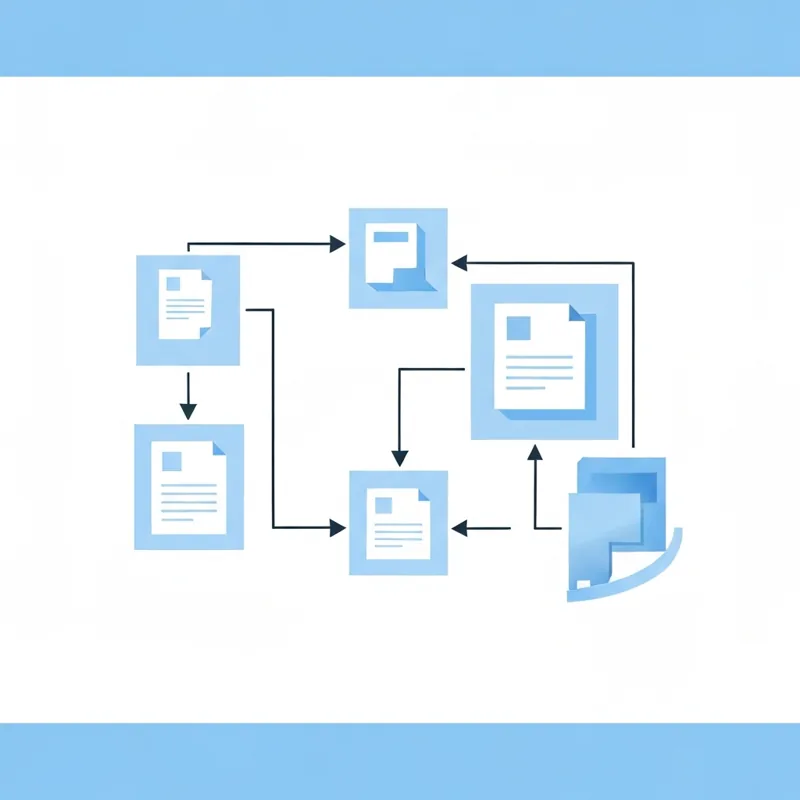
OCR is the trick that turns a picture of text into real, editable words. It lets you copy, search, and change text that was stuck inside a scan or photo.
- OCR reads letters in an image and rewrites them as real text.
- It rescues words trapped in scans, photos, and old documents.
- Once read, you can copy, search, and edit the text freely.
- It powers PDF to Word and many other conversions.
Turn a picture of words into words you can actually use.
What OCR actually is, in plain words
OCR stands for Optical Character Recognition. That is a big name for a simple idea: software that looks at a picture of text and figures out the actual letters. To your computer, a scanned page is just a flat image, like a photo of a wall. OCR is the part that reads that wall and says, ah, those shapes are words, and types them back out for you.
Here is why it matters and how to put it to work, point by point.
1. It frees text that is trapped in a picture
When you scan a page or snap a photo of a receipt, the words are locked inside an image. You cannot click and copy them. OCR breaks that lock. It turns the picture into text you can select, fix, and reuse. This is the heart of what powers PDF to Word, which takes a scanned PDF and hands you a real, editable document.
2. It makes old documents searchable
Imagine a folder of 200 scanned pages and you need the one that mentions a specific name. Without OCR, you read all 200. With OCR, the text becomes searchable, so a quick find lands you on the right page in seconds. Scanned files go from a dead pile to a living, searchable library.
3. It is the engine behind many conversions
OCR is not a one-trick tool. The same reading step that pulls words also helps pull pictures and layouts apart. Want to grab the images from a scanned page? PDF to JPG lifts them out cleanly. Need the slides from a converted deck? PDF to PPT rebuilds them as editable slides. And numbers locked in a scanned table can come back to life through PDF to Excel, where each cell becomes a real cell again instead of a blur.
4. It saves you from retyping
Before OCR, copying a printed page meant typing every word by hand. That is slow and full of mistakes. OCR does the typing for you in seconds. A two-page letter that took ten minutes to retype now lands in your document almost instantly, ready to edit.
5. It works best with a clean, clear scan
OCR is smart, but it is not magic. The clearer the image, the better the read. Here is a quick guide to what helps and what hurts:
| Helps the read | Hurts the read |
|---|---|
| Straight, flat pages | Crooked or curled scans |
| Sharp, high contrast text | Faint or blurry letters |
| Plain backgrounds | Stamps and stains over words |
| Standard fonts | Fancy handwriting |
If your scan comes out tilted, a quick fix first goes a long way. Many people straighten pages before reading them, and our guide on how to rotate and save scanned PDF files shows the easy way to do it.
6. It is easy to actually use
You do not need to understand the math to get the result. Upload your scan or photo, let the tool read it, and download text you can edit. That is the whole flow. If you want the longer backstory on the technology and where it came from, our guide to searchable vs image-only PDFs sits right alongside the everyday how-to, so you can go as shallow or as deep as you like.
Putting Optical Character Recognition to work today
OCR sounds complicated, but using it is not. It is the quiet helper that turns pictures of words into words you can hold, copy, and change. Once you know it is there, you start spotting jobs for it everywhere: a receipt, a contract, an old letter, a textbook page. Feed it a clear scan, and Optical Character Recognition hands your text right back to you, ready to use.
Compare PDF tools
 Continue with Google